A comparative institutional study of how public policy, financial institutions, development finance and private capital can be better aligned to mobilize long-term investment, especially where high financing costs, institutional constraints and fragmented financial architecture hold back otherwise viable projects. It starts from the financing problem, not the technology. Digital financial infrastructure and tokenization serve as one lens for testing where innovation can, and cannot, improve transparency, capital access and cross-border flows.
Comparative focus: the United States and South Korea, tested against emerging-market cases.
Applied research focus: financing the energy and climate technologies powering the AI economy, from renewables and nuclear energy to storage, grid infrastructure and data-center cooling. The research examines who provides the capital, how investments are structured, how risks are allocated, and how technological and commercial readiness shape what enables or constrains climate-aligned investment.
- Institutional mandates
- Policy frameworks
- Financing structures
- Risk allocation
- Cost of capital

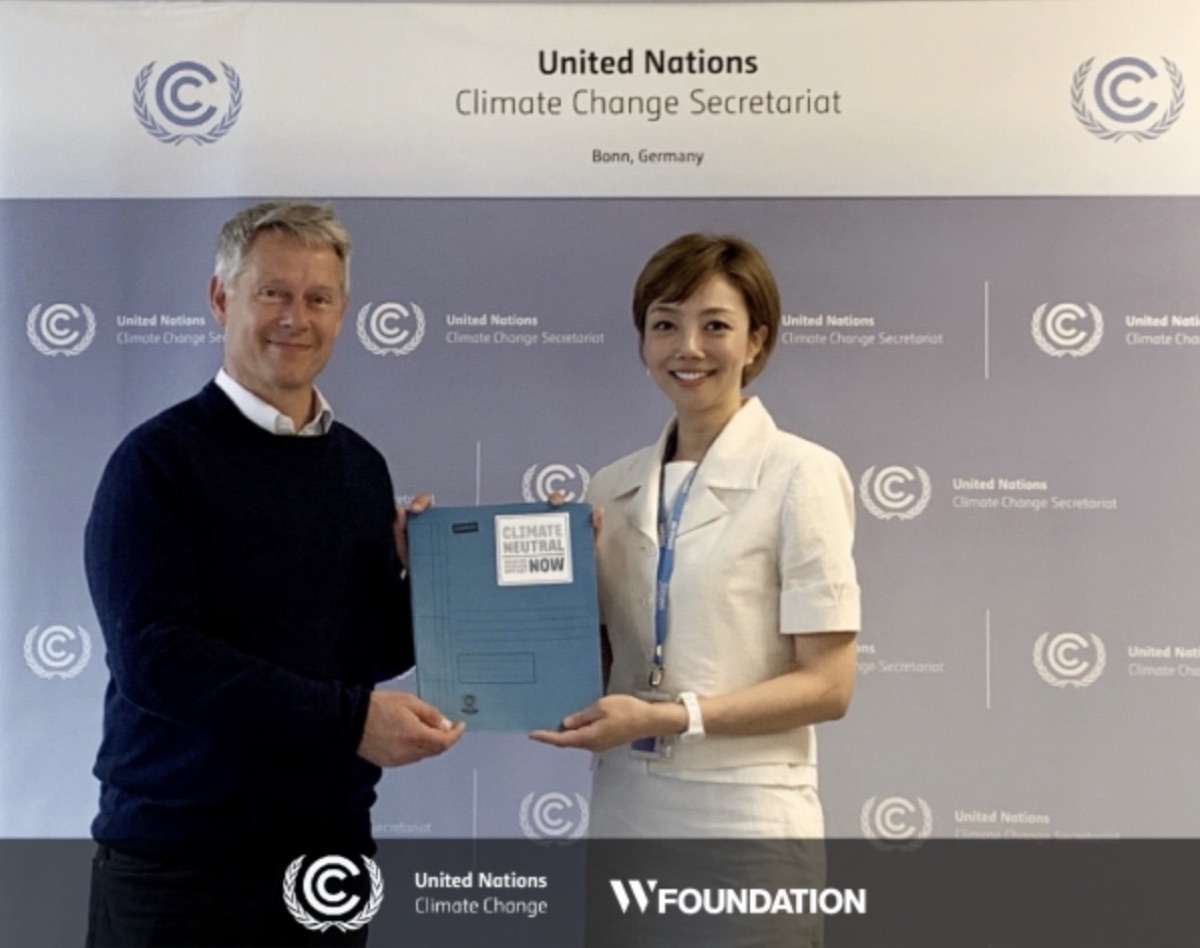
 ▶Watch: W-Foundation climate campaign ↗